Collection
A limited edition
chapbook of essays and excerpts.
INTRODUCTION
Seven years ago, someone invited me to dinner with a bunch of people from the NEA, and when we arrived I was introduced as ‘a writer.’ I had never before allowed myself that categorization though I had been writing forever—stories, poems, even a novel I started in the sixth grade: Thomas & Herman’s Incredible Adventures at the Bottom of the Sea. I didn’t realize you could simply own the word like that, wear the title; later someone said to me “You are what you do, right?” These collected pieces (I discovered after I chose them) are built around similar crystallizing experiences, when the ordinary instant allows you to reframe, and the new circumstances—the anonymity of travel, the passage through grief, a national tragedy, dissecting family legacies—distill you into a purer you. Even Yield, my first novel, which has also been excerpted here, is about learning to recognize yourself.
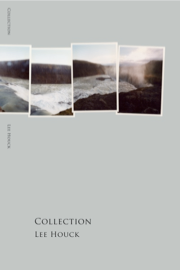
Iceland remains for me one of the most visceral, emotional places I have ever been. The sheer geography could, at times, bring me to tears—I’m a sucker for a lonely landscape, a dry wind and the crush of the sea. Who isn’t? Simply walking on the mossy rock lava, you could imagine—it was impossible not to imagine—that you’re on another planet. London, another favorite place, is just like New York, only the streets are all backwards, and the hotel rooms are smaller—at least all the ones I’ve stayed in. The Indian food is better. The theater is cheaper. I think of these travelogues as letters back to myself, as memory insurance: something I can look at that’s not a stack of photos.
There are four short pieces—shamelessly printed here only to give them life outside of my computer’s hard drive—which are all responses in some form or another: to a stranger on the subway, to a television show, to an author’s reading, and to the events of September 11.
I tried for several months to write about that day without success. The more I sat down at the computer, the more nothing presented itself; I simply did not know where to begin. There were too many ideas, too many directions and implications. What ultimately affected me more than the piles of flowers, melting candles and missing posters, was the sense of fear and complacency that would periodically waft over an otherwise uneventful experience—a cab ride, shopping at the drug store, a conversation at the office. I wanted to write something small. The grandness, the unimaginable bigness of the time made those small interactions all the more striking. “What Happened After” is an effort to talk about that weirdness, about the uncomfortable changes I saw happening around me. The events of that day still affect my work, and the life that I live. That morning, that perversely beautiful Tuesday, I put on my socks, brushed my teeth and headed out the door. I never forget that everyone who died that day did the same.
I wrote “Inheritance” in fits and spurts. Often it seemed I was writing against my will—I had avoided writing about my grandfather for years. Quite honestly, the challenge of making all the notes work together, the half-shredded napkins scrawled with magic marker faded by splashes of (ironically) beer, was not exciting. People have that thing that says they should do the things they’re scared of—actors on television shows say this a lot—I don’t have it. The essay is an attempt to make peace with his legacy, and with his ghost.
Grief swallows you whole. It chews you into pieces so small you don’t recognize yourself. Your friends become strangers—all of you walking some sour road with no map, with no destination. After my dear friend Meg Sanders died, I began to see that the only way out of the motion of the sadness—that numb, empty movement—was to somehow direct the energy back out into the world. Otherwise, I’d stew and fester and get nowhere. “Pearls” is a series of short pieces written for my weblog, Grammar Piano. I wrote a lot of other things in between these posts, and several of my friends commented to me in emails and phone calls that, regardless of subject, the blog seemed to be entirely about one thing. Tracing the experience this way allowed me to untie myself from the responsibility of containing her life within my own—something I thought I needed to do. I still write about her: burying the memories in my fiction, where they’re safer; and I write to her: text messages sent to her long-cancelled cell phone. Maybe she gets them, who knows? Do they have Verizon in heaven?
Finally, there is an excerpt from Yield. Fiction is a much larger effort—it uses you up differently, slowly, over years and through life changes. I had been working on this strange thing for many months before it finally revealed itself to be a novel. What a surprise! Novels are like intense relationships—you love them, they drive you crazy, they help you through the shitty times, you want to smack them around. But I like the space they provide, the room to play. I always say: Take the longer view.
Seven years ago, someone invited me to dinner with a bunch of people from the NEA, and when we arrived I was introduced as ‘a writer.’ I had never before allowed myself that categorization though I had been writing forever—stories, poems, even a novel I started in the sixth grade: Thomas & Herman’s Incredible Adventures at the Bottom of the Sea. I didn’t realize you could simply own the word like that, wear the title; later someone said to me “You are what you do, right?” These collected pieces (I discovered after I chose them) are built around similar crystallizing experiences, when the ordinary instant allows you to reframe, and the new circumstances—the anonymity of travel, the passage through grief, a national tragedy, dissecting family legacies—distill you into a purer you. Even Yield, my first novel, which has also been excerpted here, is about learning to recognize yourself.
Iceland remains for me one of the most visceral, emotional places I have ever been. The sheer geography could, at times, bring me to tears—I’m a sucker for a lonely landscape, a dry wind and the crush of the sea. Who isn’t? Simply walking on the mossy rock lava, you could imagine—it was impossible not to imagine—that you’re on another planet. London, another favorite place, is just like New York, only the streets are all backwards, and the hotel rooms are smaller—at least all the ones I’ve stayed in. The Indian food is better. The theater is cheaper. I think of these travelogues as letters back to myself, as memory insurance: something I can look at that’s not a stack of photos.
There are four short pieces—shamelessly printed here only to give them life outside of my computer’s hard drive—which are all responses in some form or another: to a stranger on the subway, to a television show, to an author’s reading, and to the events of September 11.
I tried for several months to write about that day without success. The more I sat down at the computer, the more nothing presented itself; I simply did not know where to begin. There were too many ideas, too many directions and implications. What ultimately affected me more than the piles of flowers, melting candles and missing posters, was the sense of fear and complacency that would periodically waft over an otherwise uneventful experience—a cab ride, shopping at the drug store, a conversation at the office. I wanted to write something small. The grandness, the unimaginable bigness of the time made those small interactions all the more striking. “What Happened After” is an effort to talk about that weirdness, about the uncomfortable changes I saw happening around me. The events of that day still affect my work, and the life that I live. That morning, that perversely beautiful Tuesday, I put on my socks, brushed my teeth and headed out the door. I never forget that everyone who died that day did the same.
I wrote “Inheritance” in fits and spurts. Often it seemed I was writing against my will—I had avoided writing about my grandfather for years. Quite honestly, the challenge of making all the notes work together, the half-shredded napkins scrawled with magic marker faded by splashes of (ironically) beer, was not exciting. People have that thing that says they should do the things they’re scared of—actors on television shows say this a lot—I don’t have it. The essay is an attempt to make peace with his legacy, and with his ghost.
Grief swallows you whole. It chews you into pieces so small you don’t recognize yourself. Your friends become strangers—all of you walking some sour road with no map, with no destination. After my dear friend Meg Sanders died, I began to see that the only way out of the motion of the sadness—that numb, empty movement—was to somehow direct the energy back out into the world. Otherwise, I’d stew and fester and get nowhere. “Pearls” is a series of short pieces written for my weblog, Grammar Piano. I wrote a lot of other things in between these posts, and several of my friends commented to me in emails and phone calls that, regardless of subject, the blog seemed to be entirely about one thing. Tracing the experience this way allowed me to untie myself from the responsibility of containing her life within my own—something I thought I needed to do. I still write about her: burying the memories in my fiction, where they’re safer; and I write to her: text messages sent to her long-cancelled cell phone. Maybe she gets them, who knows? Do they have Verizon in heaven?
Finally, there is an excerpt from Yield. Fiction is a much larger effort—it uses you up differently, slowly, over years and through life changes. I had been working on this strange thing for many months before it finally revealed itself to be a novel. What a surprise! Novels are like intense relationships—you love them, they drive you crazy, they help you through the shitty times, you want to smack them around. But I like the space they provide, the room to play. I always say: Take the longer view.
July 2006
$12.00 including
shipping